Not all promotional products deliver the same results. Some get tossed aside, forgotten in desk drawers, or thrown away after one use. Others become daily essentials that people rely on for years. The difference between those outcomes is not luck. It comes down to smart choices rooted in utility, quality, and thoughtful branding.
When done right, promotional products are one of the most powerful tools in marketing. They create lasting brand impressions, drive customer loyalty, and influence buying decisions long after the initial interaction. When done wrong, they waste budget and can even damage brand perception.
If you want custom, branded merchandise that works harder for your business, here is how to choose promotional products that people actually use, value, and remember.
Utility and Quality Are the Foundation of Effective Promotional Products
The most successful promotional products all share two essential qualities: they are useful and they are well made. Without these fundamentals, no amount of clever branding or design can save the item.
A promotional product that never gets used has zero marketing value. Even worse, a product that breaks quickly or feels cheap can negatively affect how people see your brand. Every promotional item you distribute sends a message about your standards and attention to detail.
Think about the difference between a sturdy canvas tote bag and a thin polyester bag that rips after one trip to the grocery store. One becomes part of someone’s routine. The other becomes a disappointment.
Research supports this. Studies show that 68 percent of consumers keep promotional products because they are useful. That same percentage say quality materials and fabric are the reason they continue using an item over time. These two factors work together. An item must be practical, but it also must be built to last.
Longevity matters because promotional products are not short-term marketing tools. According to the Advertising Specialty Institute, 58 percent of people keep promotional products for one to four years and value their selections. That means a single high-quality branded item can generate thousands of impressions over its lifespan. When you choose promotional merchandise that is both functional and durable, your brand stays visible long after a trade show ends or a campaign wraps up.
Why Cheap Promotional Products Cost More in the Long Run
It can be tempting to choose the lowest cost option when ordering promotional products, especially for large events or giveaways. But a low price often comes with hidden costs. Cheap materials fade, tear, or break quickly. When that happens, your logo is associated with frustration instead of value. In some cases, recipients stop using the product entirely, which eliminates any ongoing brand exposure.
High-quality promotional products may have a higher upfront cost, but they deliver better return on investment. They last longer, feel better, and reflect positively on your brand and industry. They also reduce waste, which is increasingly important to consumers who care about sustainability. Investing in quality means your promotional items work as silent brand ambassadors rather than disposable giveaways.
Design and Aesthetics Make Promotional Products Stick
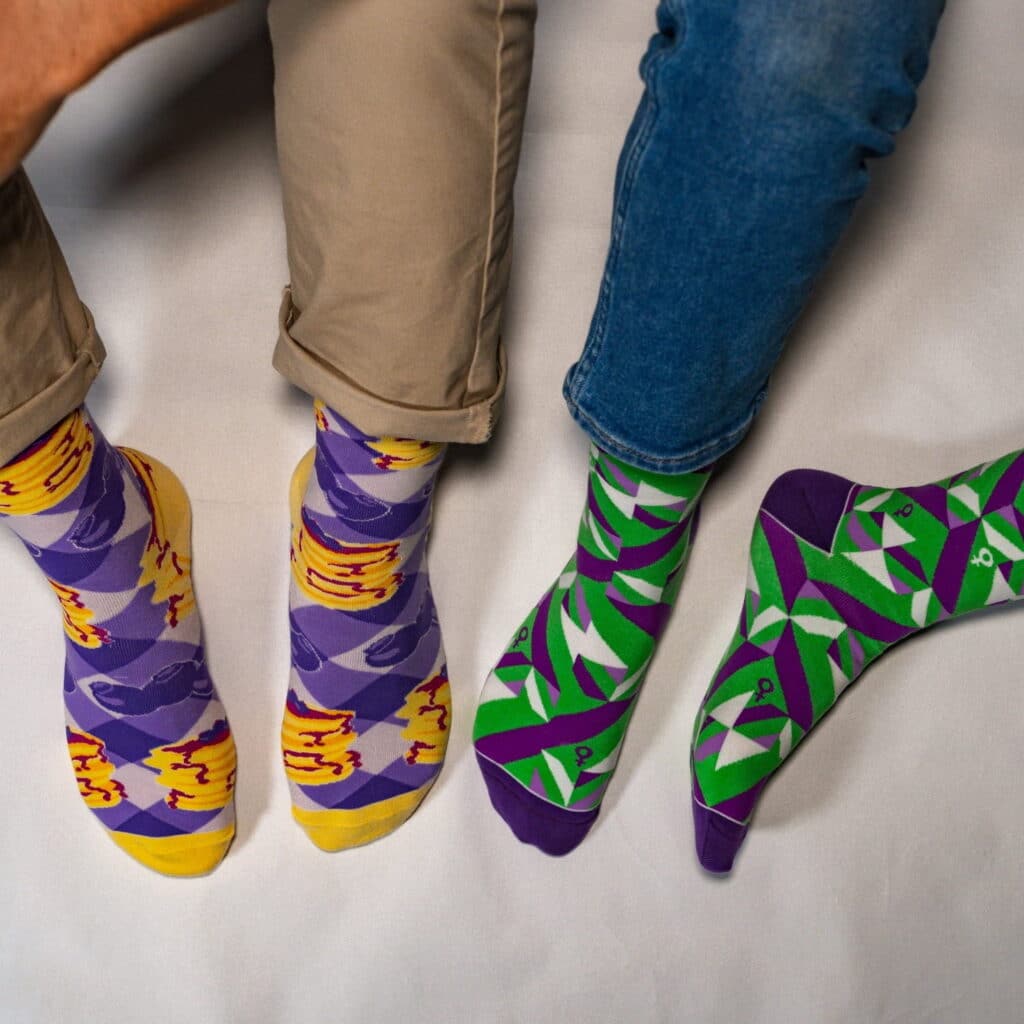
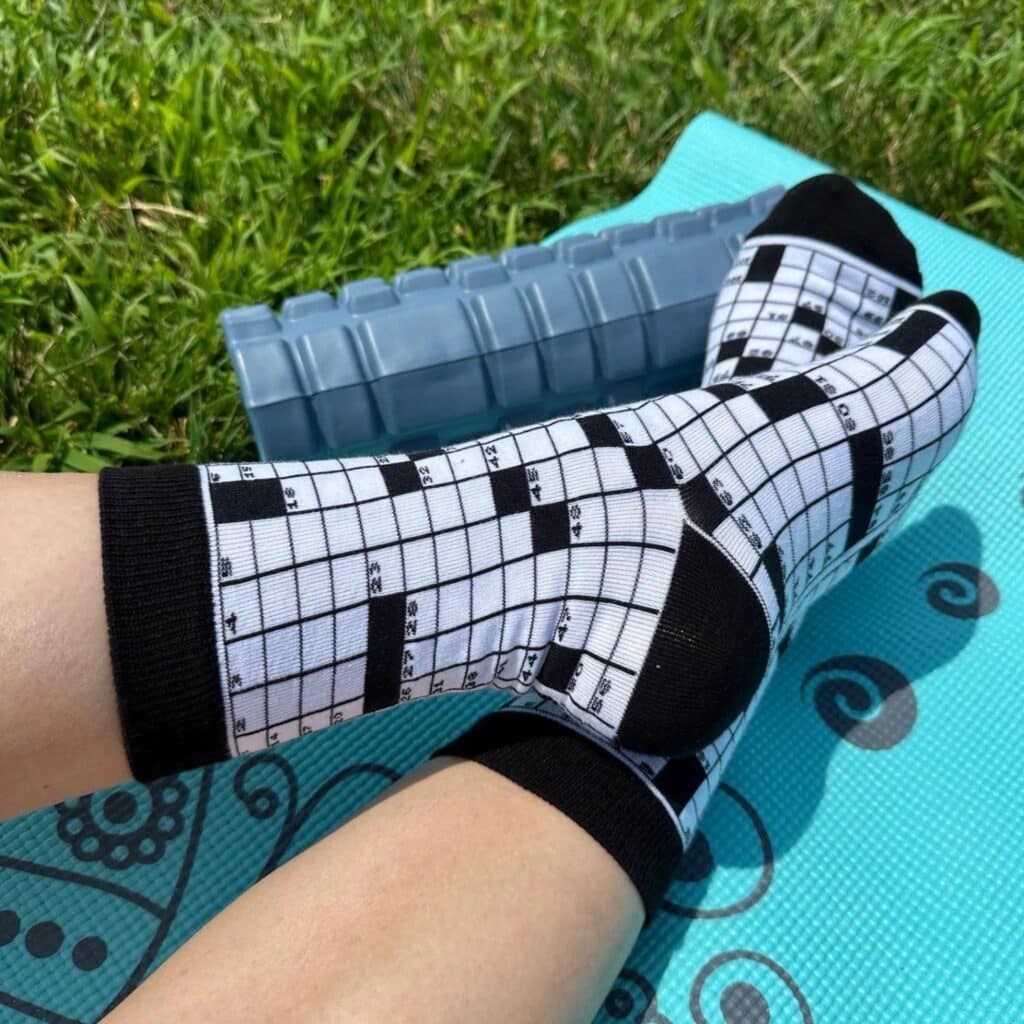
Once utility and quality are in place, design becomes the next critical factor. People are far more likely to keep and use promotional products that look good and feel modern. Your branded merchandise should resemble something someone would buy in a store. If it looks like a freebie, it will be treated like one.
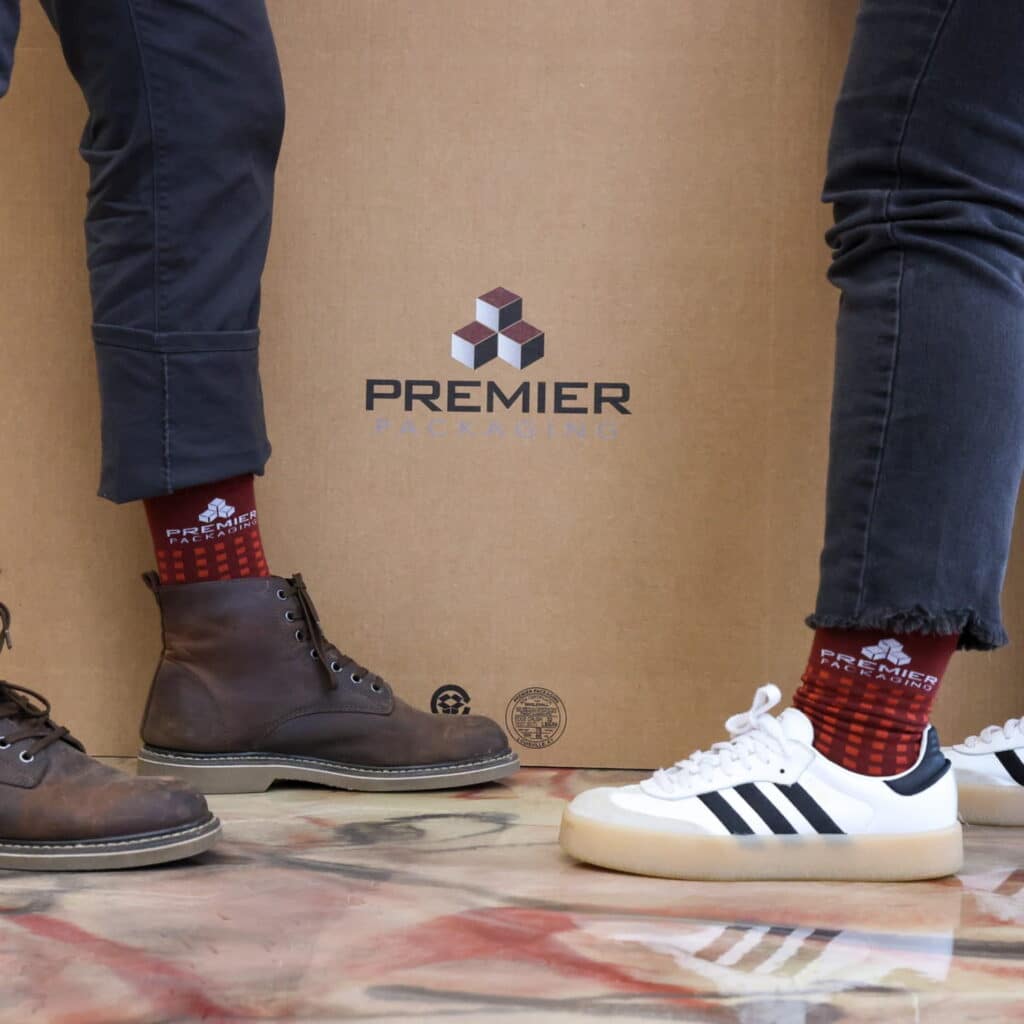
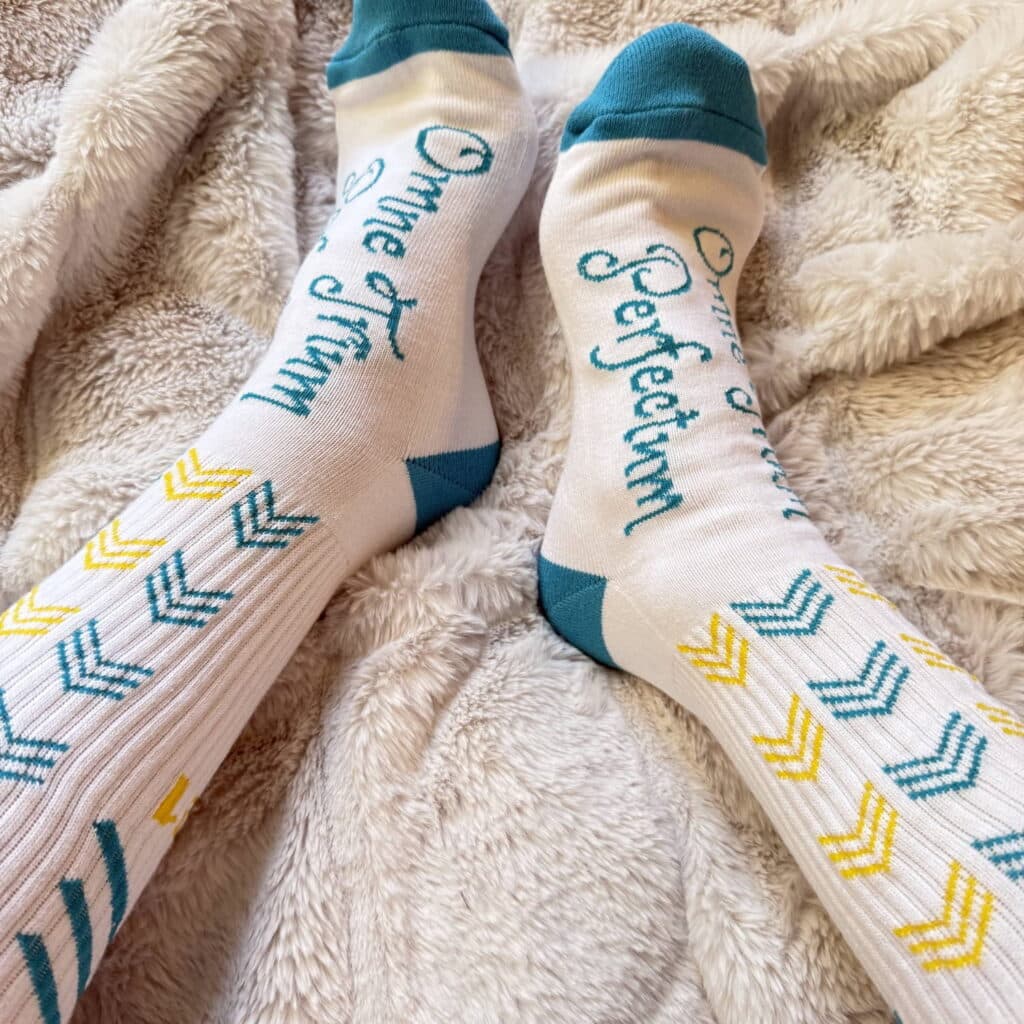
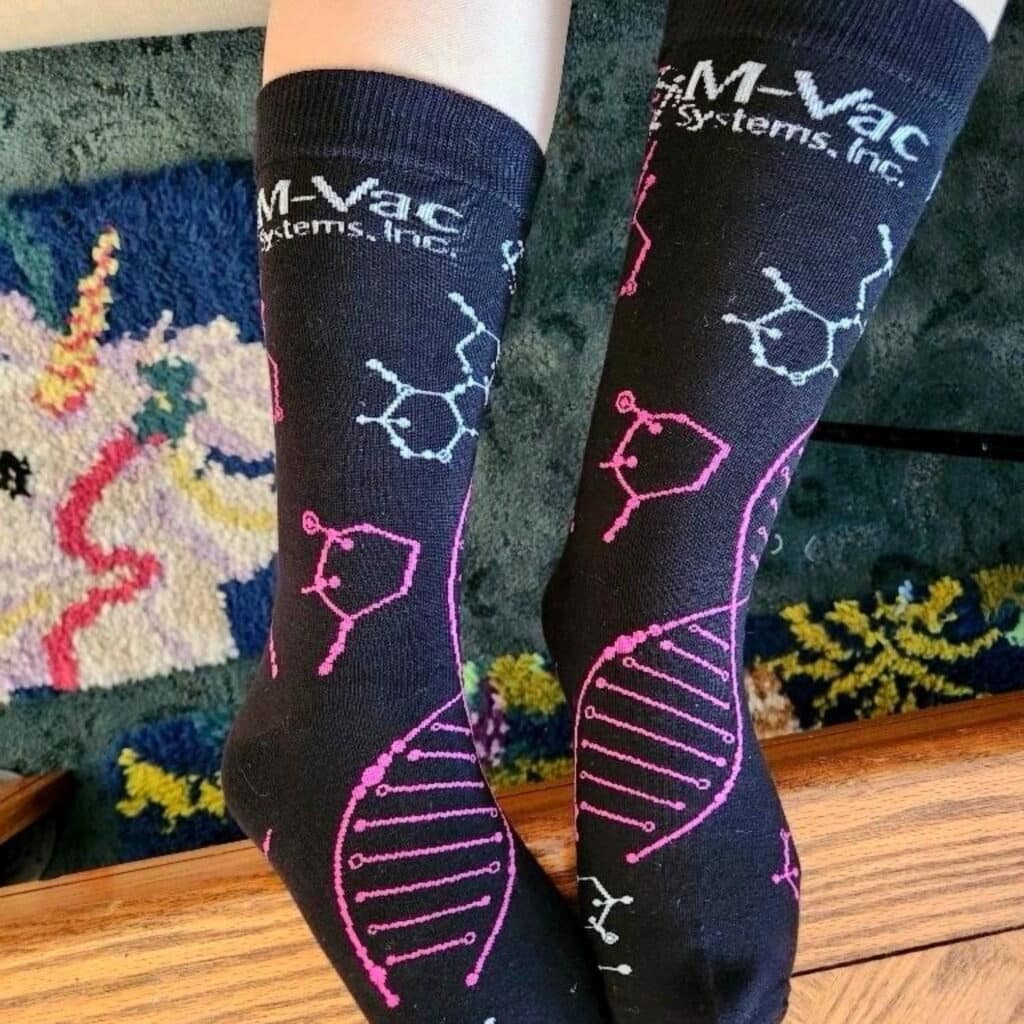
Studies show that 42 percent of consumers are influenced by promotional products that look appealing and feel high quality. Clean design, thoughtful custom color choices, and modern styling all increase perceived value. This is especially important for wearable promotional items like custom socks, hats, and apparel. People want to feel confident using these products in public. If the design feels dated or overly promotional, usage drops. At Spirit Sox, we see firsthand how premium design elevates branded merchandise. When branded promotional socks feature retail-level materials and thoughtful branding, they become part of everyday outfits rather than drawer fillers.
Subtle Branding Drives More Daily Use
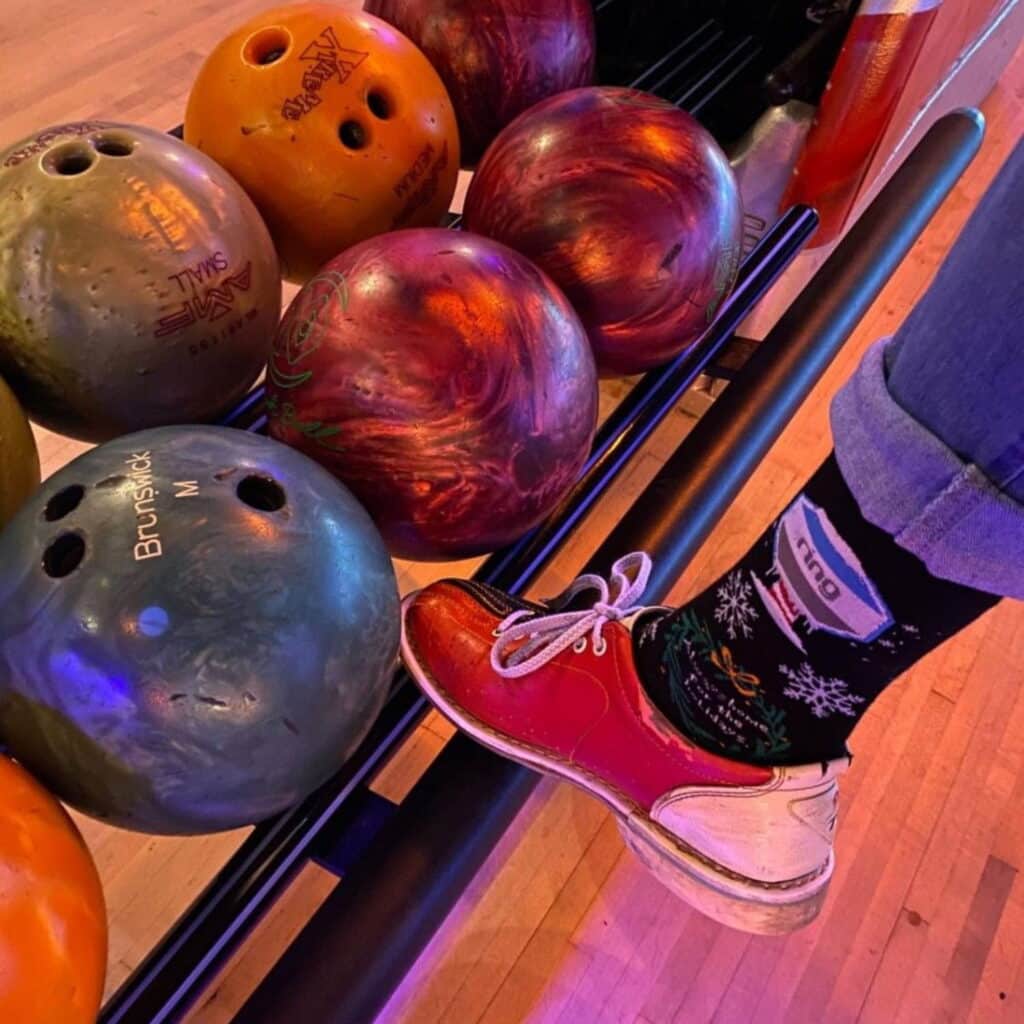
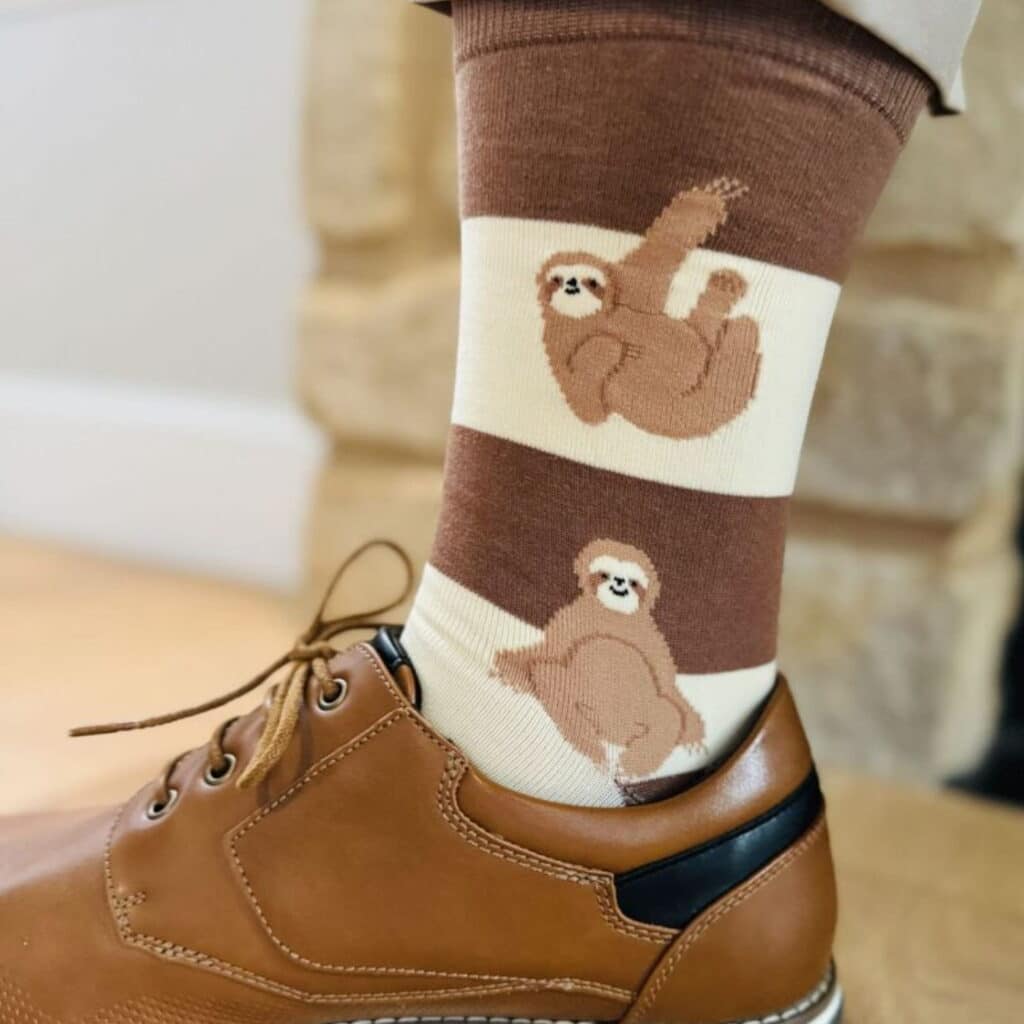
One of the biggest mistakes brands make with promotional custom products is overbranding. Large logos and loud graphics can turn a useful item into something people avoid using. Consumers do not want to feel like walking advertisements. In fact, research shows that 44 percent of people prefer subtle branding over large, highly visible logos. Subtle branding does not mean invisible branding. It means thoughtful placement and restraint. Small woven tags, tone-on-tone embroidery, or discreet logo placement allow the product to shine while still keeping your brand visible.
When people enjoy using the product, your logo naturally gets more exposure. That is the goal of effective promotional marketing. Subtle branding also helps promotional custom products feel more premium. Items that look refined and intentional are more likely to be kept and used for longer periods of time.
Emotional Impact Matters More Than You Think
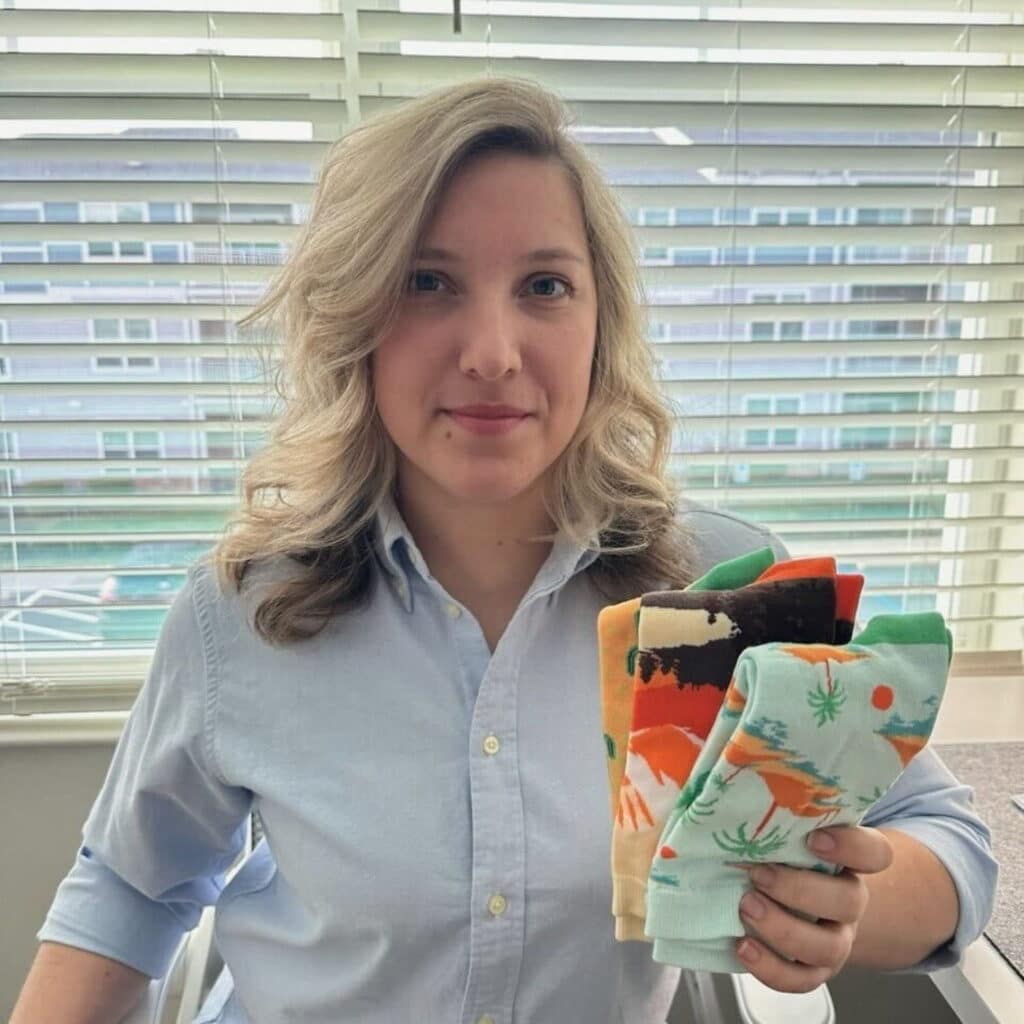
Promotional products do more than provide utility. They also create emotional connections between brands and recipients. A study by the British Promotional Merchandise Association found that 79 percent of people feel appreciated when they receive a promotional product. That feeling of appreciation strengthens brand loyalty and trust. When a promotional item feels premium, the emotional impact increases.
People associate higher-quality products with brands that care about their customers and employees. This emotional connection is especially important for employee gifts, onboarding kits, customer appreciation campaigns, and client retention programs. A well-chosen promotional product communicates value without saying a word.
Promotional Products Drive Real Consumer Action
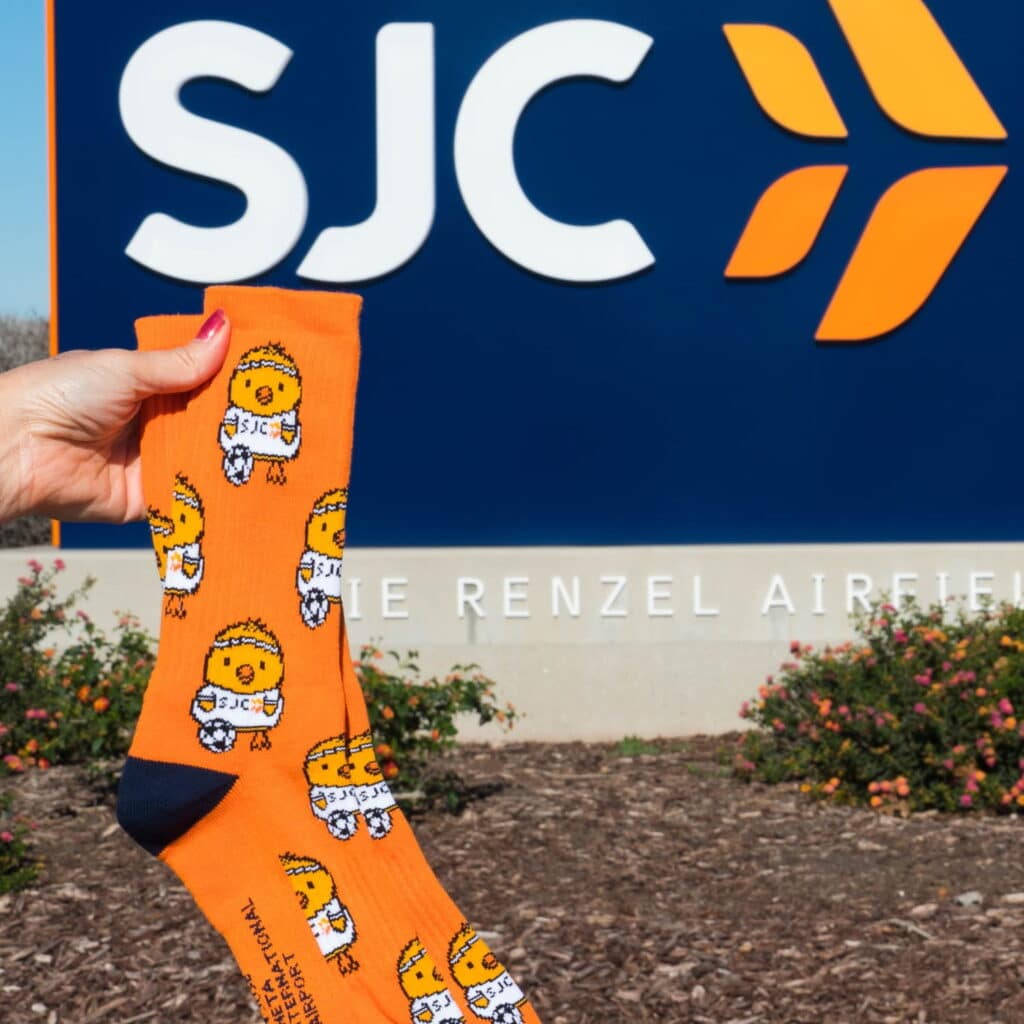
Beyond awareness and goodwill, promotional products influence behavior. They do not just sit on desks. They motivate people to engage with brands. According to the American Marketing Association, promotional products are more effective than coupons at driving desired actions. Eighty-three percent of consumers say they are more likely to do business with a brand after receiving a promotional product.
That is a powerful statistic. It shows that custom, branded merchandise does more than create impressions. It drives purchasing decisions. Recall is another major advantage. Research from the Promotional Products Association International shows that 89 percent of consumers remember the advertiser on a promotional product for up to two years. Compared to digital ads that disappear in seconds, promotional products deliver long-term brand exposure at a lower cost per impression.
Choosing the Right Promotional Products for Your Brand
Not every promotional product fits every brand. The key is alignment between your audience, your brand values, and the item itself.
Ask these questions before selecting promotional merchandise:
- Will my audience actually use this item regularly?
- Does the quality reflect my brand standards?
- Is the design something people would choose on their own?
- Is the branding tasteful and well placed?
- Will this product still look good after months or years of use?
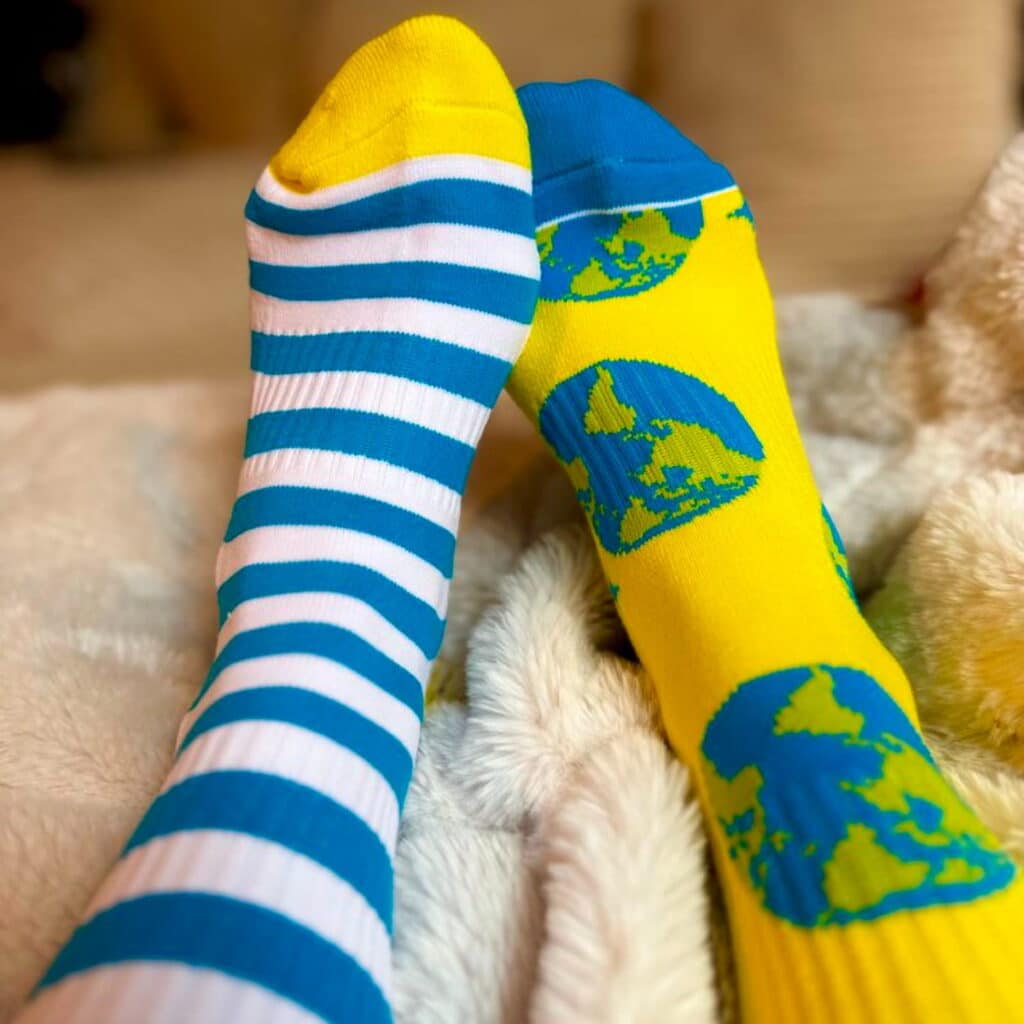
Answering these questions helps narrow your options to products that deliver real value. For example, custom socks work well because they are practical, comfortable, and worn frequently. When designed thoughtfully, they offer daily brand exposure without feeling intrusive.
Sustainability and Long-Term Value
Today’s consumers care about sustainability. Promotional products that last longer reduce waste and reflect responsible brand practices. Reusable, durable items align with eco-conscious values and demonstrate that your brand thinks beyond short-term marketing. High-quality promotional products are inherently more sustainable because they replace disposable alternatives. When people keep and use branded items for years, your marketing footprint becomes smaller while your impact grows.
Final Thoughts on Promotional Products That Work
The most effective promotional products blend form and function seamlessly. They are useful, well-made, visually appealing, and subtly branded.
To recap, successful promotional products focus on:
- Utility by choosing items people genuinely need
- Quality by investing in materials that last
- Design by creating products that look retail-ready
- Subtle branding that encourages daily use
- Emotional connection that builds appreciation and loyalty
When you prioritize these elements, promotional products become more than swag. They become long-term brand touchpoints that work quietly and consistently for your business. At Spirit Sox, we believe promotional products should earn their place in someone’s daily life. When they do, your brand stays top of mind long after the first impression.